Brief the message before the visual treatment
A useful social content brief explains the product, the audience, the message and the action the content should support. It also supplies the approved facts and assets needed to make the work accurate. A request to “make something eye-catching” leaves the most important decisions unresolved.
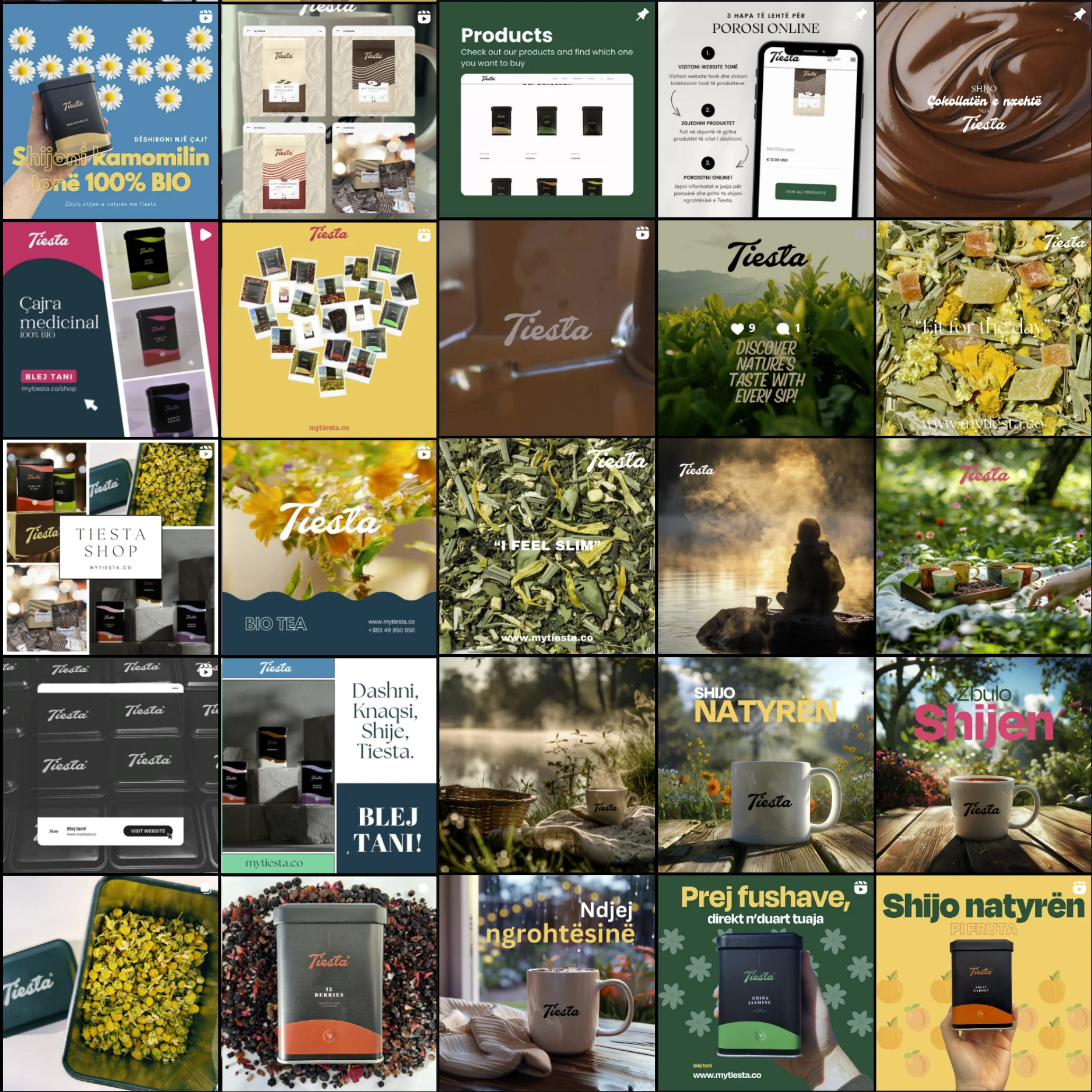
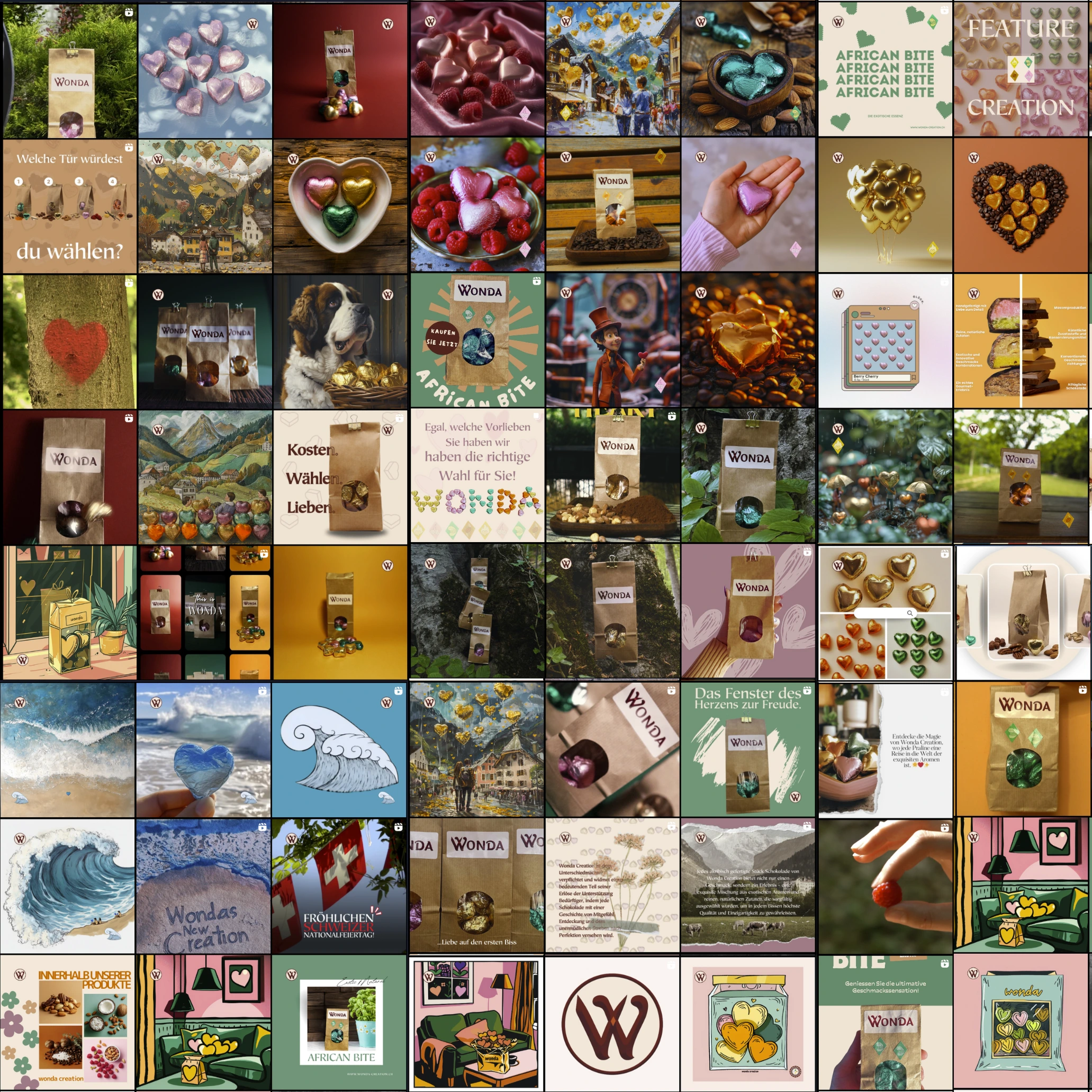
My social design work includes product-focused content for Tiesta and brand communication for Wonda. Product facts, approved assets and a clear message give that work its starting point. The brief also needs to explain which elements will be reused and which belong to a particular campaign.
Define the audience and one main message
State whether the content introduces the product, explains a feature, supports a launch or answers a buying question. Choose a main message for each asset. Several related assets can tell a fuller story, but one crowded image is unlikely to explain every feature clearly.
Describe the intended audience’s knowledge and situation. Someone comparing similar products needs different information from someone encountering the category for the first time. Include the language, market and destination page so the designer can account for text length and context.
Write the desired next step in ordinary language. It might be viewing specifications, finding a retailer or exploring a product range. Confirm that the destination is ready and actually answers the question raised by the content. A good visual cannot repair an unavailable product page or unclear buying route.
Supply facts that someone can verify
Provide the exact product name, variant, packaging, approved description and any information that must appear. Include current prices or availability only when they are part of the message and someone is responsible for keeping them accurate. Label draft or unconfirmed details clearly.
Separate a factual benefit from an opinion about the product. Claims about ingredients, performance, origin or environmental impact need approved supporting information. The design team should not infer a claim from packaging colors, a mood board or a competitor’s campaign.
Worked example, for a fictional drink launch: the objective is to introduce a new lemon variant to existing customers and direct them to the stockist page. The brief supplies the approved product name, 330 ml pack size, ingredient wording and launch availability. Required assets are a cutout of the final can, a serving photograph, the logo and approved colors. Deliverables are a product-introduction post and a follow-up asset showing where to buy, each with its caption and destination link. The product owner verifies the label, facts and availability before publication; the designer does not add health claims or invent product benefits.
Prepare photography and visual assets for real use
Supply original images where available, along with permission and any usage restrictions. Include product cutouts, packaging views and contextual photographs that support the story. Distinguish approved photography from references supplied only to explain a visual direction.
Check resolution, crop flexibility and the visibility of important product details. A tightly cropped image may work in one format and become unusable in another. If a photo shoot is needed, plan the range of compositions around the intended content rather than hoping a single hero image covers every use.
Provide the current logo files, color specifications, typefaces and relevant brand guidelines. Explain what must remain consistent and where the designer has flexibility. Share existing work that represents the desired standard, with a short explanation of what is useful about it.
Specify the deliverables and reusable elements
List the required placements, languages and output formats. Verify current channel specifications during production. Identify which versions need different text, crops or calls to action, instead of assuming that resizing one finished image will work everywhere.
Agree whether the project includes one-off campaign assets, editable templates or both. Templates should have clear areas for product names, photographs and supporting text, with examples that show realistic variation. Include a longer name and a less convenient image in the test set so the system is not designed only around ideal content.
Decide who will edit reusable files and which tools they can access. Keep the design handoff understandable for that person. An elaborate source file offers little practical value if the team cannot safely update a price, replace an image or export the right version.
Review accuracy, readability and readiness
Review the message and product facts separately from stylistic preference. Check spelling, variant names, pack details, destination links and any required wording. Assign one person to consolidate feedback so the designer receives a coherent decision rather than conflicting changes from several people.
Inspect the assets at the size people will actually see them, especially on a phone. Confirm that the product and main message remain recognizable and that small supporting text is readable. Consider how the caption complements the visual rather than repeating everything or hiding essential qualifications.
Finish with approved exports, editable files where included and a record of the final wording. Name files by product, placement and version. Keep expired offers and older packaging separate from current assets so the next campaign starts with accurate source material.