Start with a business purpose and a realistic workload
A workable social media plan defines who you want to reach, what you want them to understand and how your business will produce and review useful content. Start with those decisions before setting a posting calendar. A plan that depends on unavailable photography or unassigned approvals will be difficult to sustain.
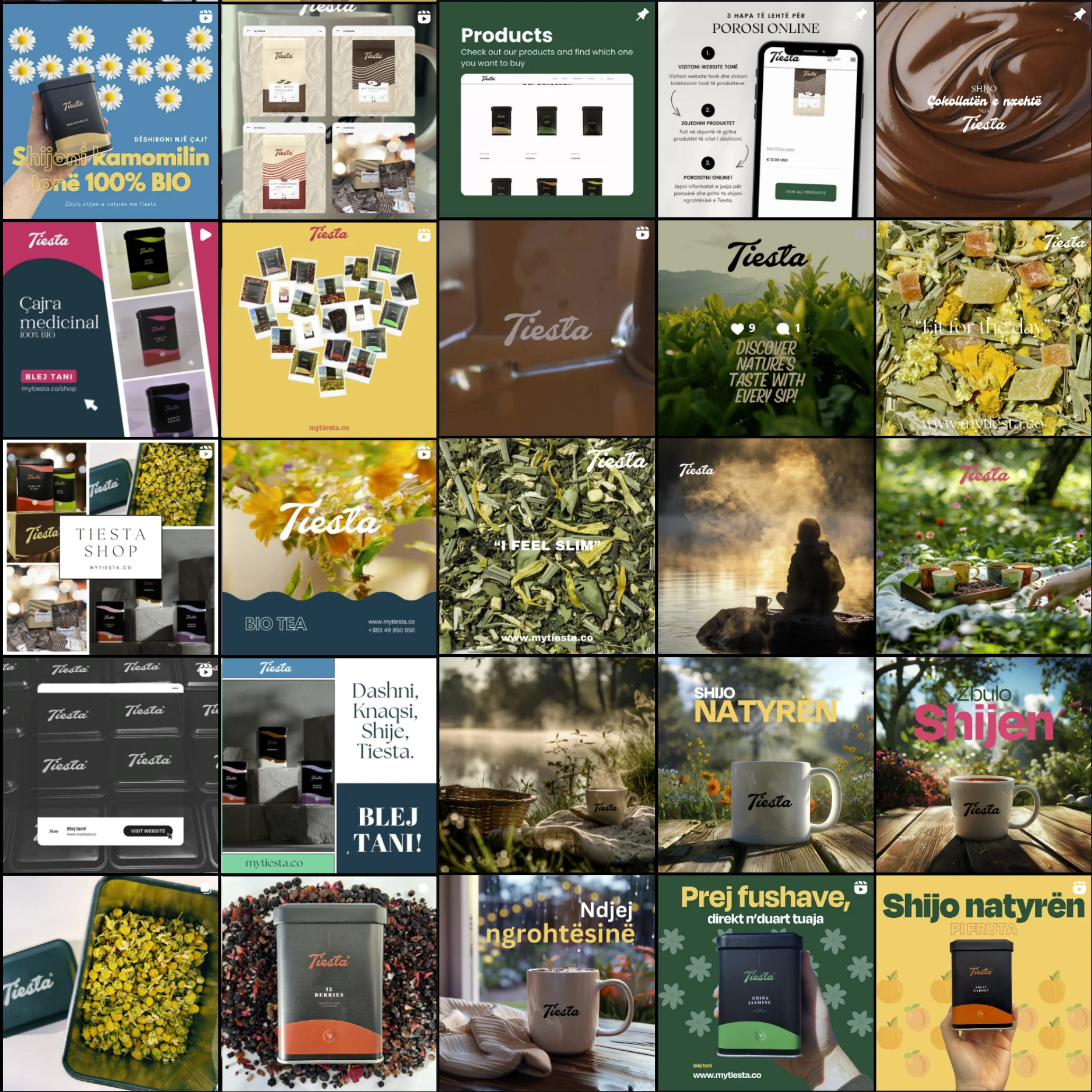
My social work for Wonda, Certus, Tiesta and King involves different products and audiences. Planning begins with the information each business has to communicate: what is available, why it matters to its customers and what they can do next.
Choose one clear audience and communication objective
Describe the people you need to reach in practical terms. Include the problem they are considering, what they already understand and the questions they ask before buying. “Everyone interested in our industry” is too broad to guide a useful post.
Choose a primary objective for the initial plan, such as explaining a new service, supporting product discovery or helping existing customers use what they bought. More than one outcome may matter, but one clear priority makes content and review decisions easier.
Define a next step that fits the objective. A post explaining a service may link to a detailed page, while a product demonstration may point to current availability. Avoid asking for an enquiry when the audience first needs basic information that the post and destination do not provide.
Select channels based on fit and available capacity
Review where the business already has useful conversations and where its intended audience looks for information. Consider the formats the team can produce and the effort required to maintain replies and messages. Being present on more channels creates more work; it does not automatically create a stronger plan.
Start with a manageable set and adapt content for the context in which people will encounter it. A detailed explanation, a short product demonstration and a customer question serve different purposes. Reusing the underlying idea is sensible, but identical presentation everywhere may not be useful.
Inspect the current requirements of the chosen channels when preparing production files or paid activity. Formats and account features can change. Keep those specifications in the production checklist rather than embedding assumptions into a long-lived strategy document.
Build content around information the business can provide
List dependable inputs: product details, common customer questions, examples of work, process photographs, available services and approved business updates. Organize them into a few recurring themes. Each theme should answer a real question or support the stated communication objective.
For a hypothetical beverage business, themes might cover product ingredients, serving suggestions and where products are available. Any factual claims must come from approved product information. A visual concept should not introduce a health, sourcing or environmental claim that the business has not substantiated.
Create a small working backlog before filling the calendar. For each idea, note its purpose, required assets, factual reviewer and intended destination. This shows whether the team has enough material to publish consistently without repeatedly inventing posts at the deadline.
Assign responsibilities and keep approval clear
Name the person responsible for supplying information, creating content, checking facts, approving publication and handling responses. One person may hold several roles, but the responsibilities should remain explicit. Agree who can resolve a disagreement or approve a time-sensitive change.
Worked example, for a fictional two-week content cycle: the business owner supplies current product details, stock information and customer questions. The content lead selects three topics and drafts the captions; the designer prepares the visuals from approved assets. One named client reviewer checks facts, links and prices before the publisher schedules the approved versions. A designated contact handles questions after publication. At the end of the cycle, the owner and content lead review enquiries and recurring questions to choose the next topics. This is an example workload, not a recommended posting frequency for every business.
Agree how messages and comments will be handled. Identify questions that can receive a standard response and those that should be passed to a member of the business. Do not promise immediate replies unless the business has the staffing and process to provide them.
Review results and adjust the plan
Choose measures that relate to the objective and can actually be observed. Relevant website visits, product enquiries or recurring customer questions may be useful alongside platform activity. Follower counts and reactions can provide context, but they do not by themselves explain whether the business goal was met.
Keep a simple record of what was published, what it tried to communicate and what happened afterward. Distinguish organic activity from paid distribution when comparing results. Avoid claiming a post caused a sale unless the available evidence supports that attribution.
Review the content and production process together. Keep topics that prompt useful questions, replace unsupported ideas and resolve missing inputs before the next cycle. Maintain a brief containing the audience, objective, channels, available assets, responsibilities and measures so each new post supports the same plan.